©2010 NewFoundations Edward G. Rozycki, EdD, Contributing Editor
|
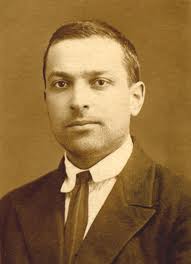
The Educational Theory of Lev
Vygotsky Two versions are available via the links
below. |
 |
RETURN
edited 8/9/18
Based on writings by and about Lev Vygotsky, answers have been constructed, with extensive endnotes and references, to the following questions in eight general areas:
I. Theory of Value: What knowledge and skills are worthwhile learning? What are the goals of education?
II. Theory of Knowledge: What is knowledge? How is it different from belief? What is a mistake? A lie?
III. Theory of Human Nature: What is a human being? How does it differ from other species? What are the limits of human potential?
IV. Theory of Learning: What is learning? How are skills and knowledge acquired?
V. Theory of Transmission: Who is to teach? By what methods? What will the curriculum be?
VI. Theory of Society: What is society? What institutions are involved in the educational process?
VII. Theory of Opportunity: Who is to be educated? Who is to be schooled?
VIII. Theory of Consensus: Why do people disagree? How is consensus achieved? Whose opinion takes precedence?